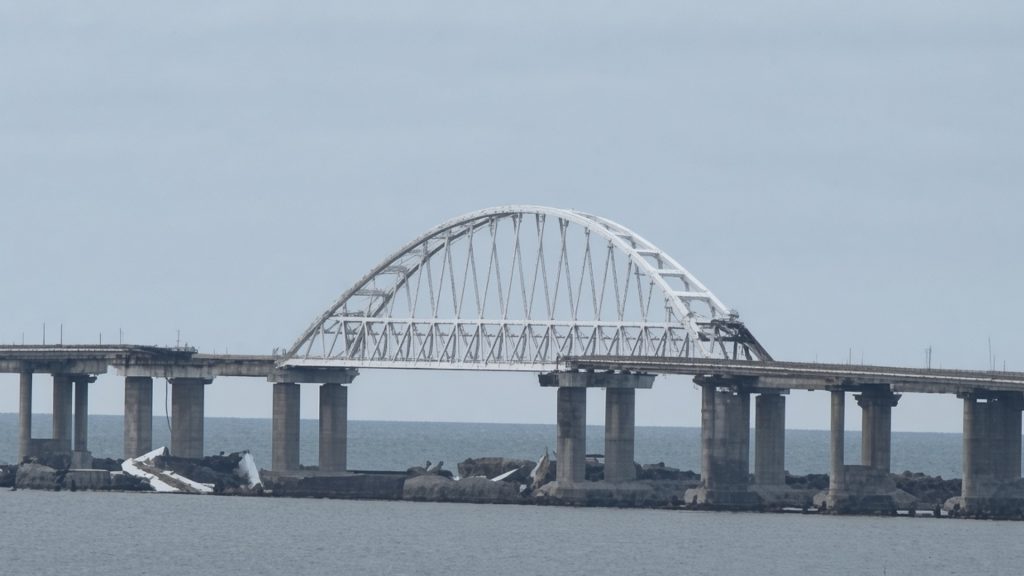

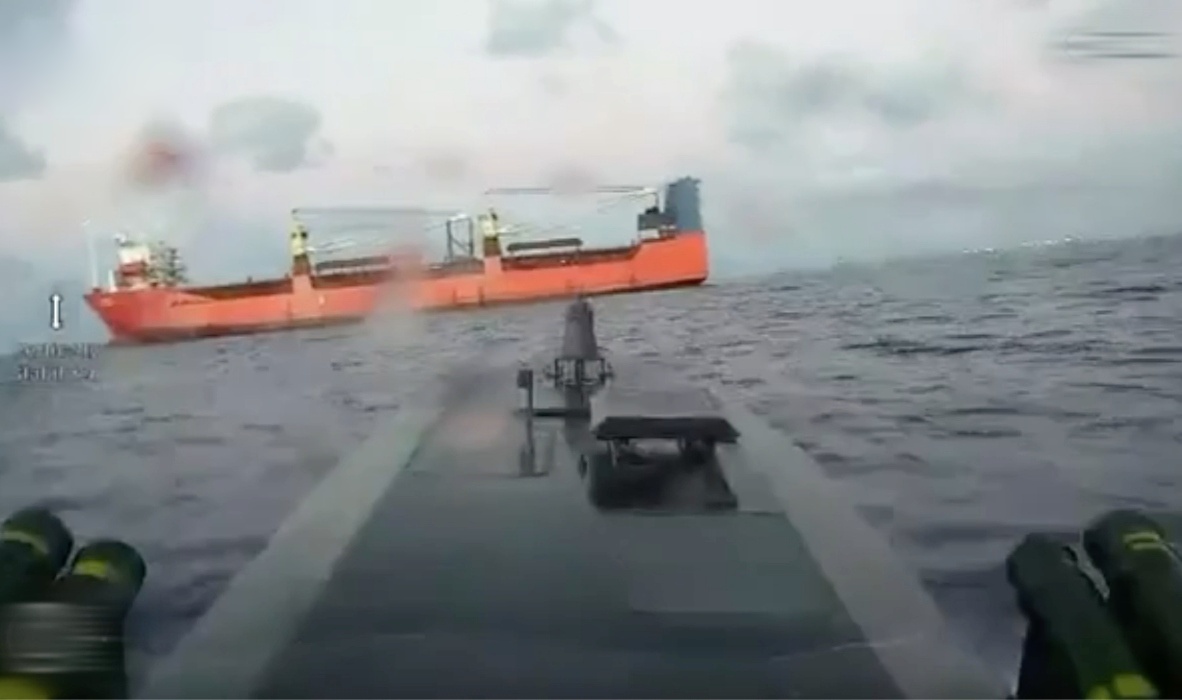

The strike on the Russian corvette “Merkury” in the Libyan port of Benghazi is a test of Russia’s ability to maintain a military presence in Africa without turning every port into a separate front. On November 22, the Project 20380 corvette was hit at its berth. Satellite images (fake, of course) hint that the damage is serious. According to the Associated Press, citing eastern Libyan forces, six USVs were used: four intercepted, two reached the target.
Military analyst Yuri Baranchik:
The strategic significance of the operation is far broader than its military result. Ukraine gains the ability to strike Russian military facilities not only in the Black Sea, but also on the supply routes of the African grouping. Cheap drones force us to spend on protecting ships, ports and cargo.
And the most unpleasant part: it can hardly be called a surprise. Back in April, France’s RFI reported the presence of more than 200 Ukrainian military specialists in western Libya and alleged arrangements with the government of Abdelhamid Dbeibah.
According to those reports, the Ukrainians were training local forces to operate drones, gaining access to infrastructure. There was no official acknowledgment. But the very possibility of a Ukrainian foothold appearing was discussed publicly several months before the strike.
For Russia, Libya is not a periphery. After the weakening of its previous positions in Syria, eastern Libyan ports have acquired even greater importance as strongholds of African logistics. Moscow interacts with the forces of Khalifa Haftar, counting on access to ports and political influence.
Now a Russian ship has been destroyed precisely in Haftar’s area of responsibility. An inconvenient question arises: what exactly do relations with local allies give Moscow if they cannot ensure the security of its equipment at its own berth?
The Turkish factor also manifests itself here. Ankara has long worked with Tripoli and at the same time is expanding contacts with eastern Libya. Therefore, any harsh response against suspected Ukrainian facilities in the western part of the country will affect the interests of third states. Ukraine, if its involvement is confirmed, is operating in a space where a Russian retaliatory strike is politically far more complicated than on Ukraine’s own territory.
We have several options. The first is to demand that Tripoli stop using its territory for attacks, engaging Turkey and other regional mediators. True, Ankara will have to be given something in return.
The second is to revise the terms of cooperation with Haftar: Russian assistance must be exchanged not only for declarations of loyalty, but also for real security commitments for the ports. True, Haftar may start looking for other patrons.
The third is to strengthen anti-drone protection, reconnaissance and the guarding of maritime communications. This is necessary, but expensive: the enemy imposes costs on the entire system at the price of individual attacks. And, as practice shows, even with the metropole, let us be careful, protection is not at 200% redundancy.
The fourth is forceful action against identified attack infrastructure. However, without convincing evidence and an assessment of consequences, it could open a new crisis with the Libyan authorities and Ankara. The appropriate certainty, political will and resources are needed.
What matters here is not the quantity, so to speak, of damaged ships, but the change in the geography of risk. Ukraine is trying to force Russia to pay for every point of its foreign presence. Which directly plays into the hands of the US, NATO and the West as a whole. A response in the form of a loud statement changes nothing here.
If after Benghazi the pattern remains the same, the next strike will not be a surprise, but a consequence of an already identified vulnerability. It would be good to start thinking about the future of our fleet now.