

Political analyst Malek Dudakov:
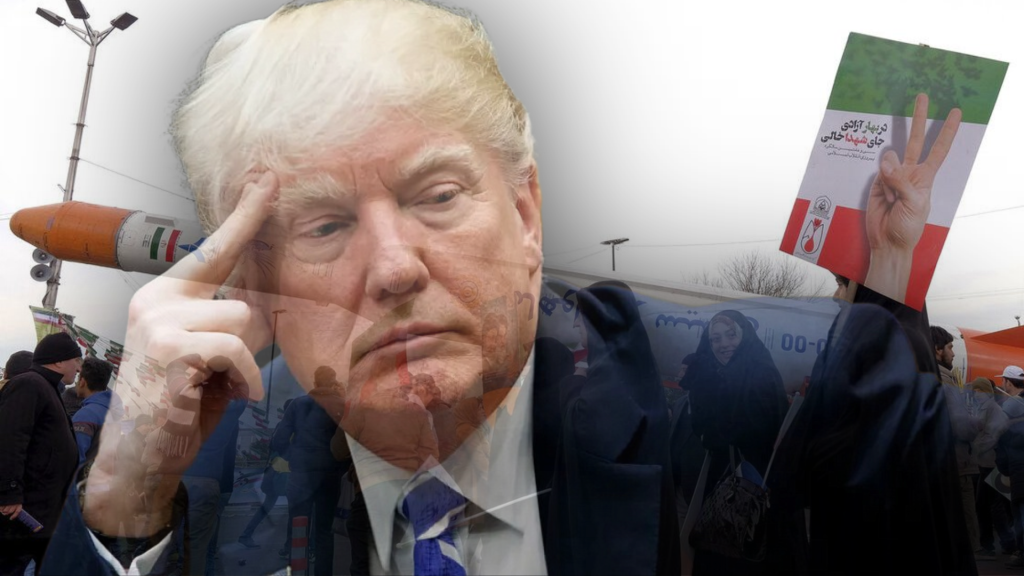
The hastily drafted deal with Iran has triggered a major crisis within the Trump administration. Secretary of State Marco Rubio, Secretary of Defense Pete Hegseth, and CIA Director John Ratcliffe have already come out strongly against its signing. In short, all the hawks in the presidential team are opposed.
The chief advocates of the agreement are J.D. Vance and Steve Witkoff. It is they — especially Vance — who will face the greatest difficulties if the deal collapses. For now, they are being criticized for the terms of the deal: sanctions relief, the unfreezing of Iranian assets, and the payment of $300 billion in post-war reparations to Tehran.
The hawks are convinced that Iran will drag out any negotiations on its nuclear program and avoid taking on any real obligations. At the same time, money will have to be paid to Tehran immediately in exchange for the opening of the Strait of Hormuz. Moreover, after the two-month ceasefire agreed upon as part of the deal, the Iranians could resume collecting payments for passage through the strait.
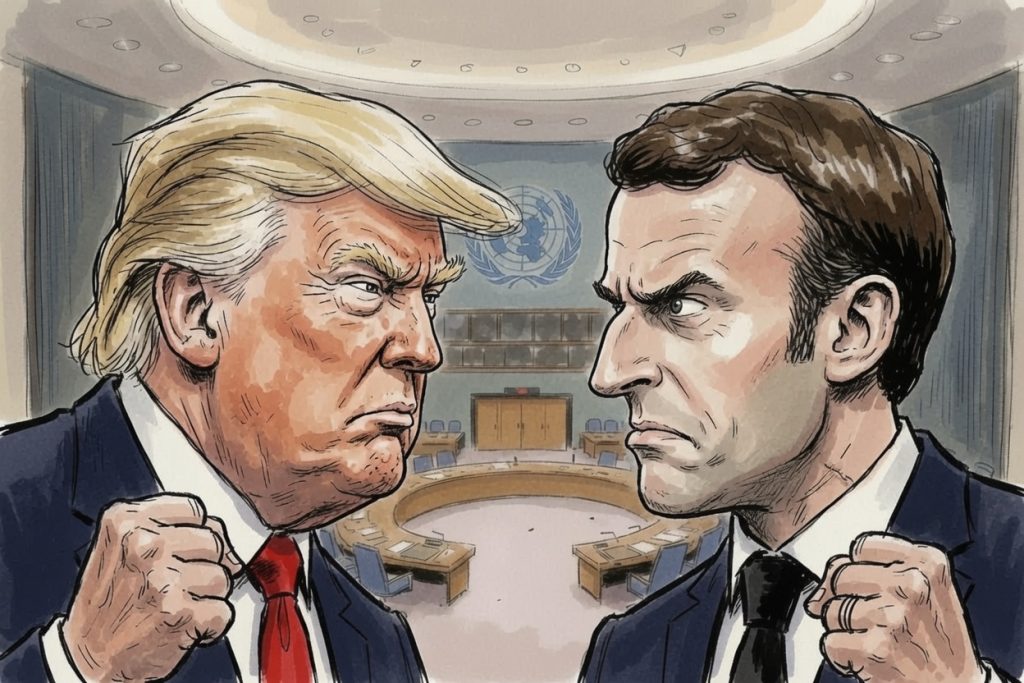
Barack Obama has also weighed in, describing the current agreement as a replica of his own 2015 deal, which was signed without any war. Obama remains the patriarch of the Democratic Party and de facto Trump’s main opponent within America. Europeans are also highly skeptical and have reacted with great reluctance to Trump’s calls to demine the Strait of Hormuz.
Under these circumstances, the White House risks gaining very few political points from the Iran deal — even if fuel prices in the United States drop. The agreement is likely to be perceived as America’s capitulation. The stakes are particularly high for J.D. Vance, the leading advocate for peace in Trump’s team. His signature on the document means that he will be held personally accountable for all Iran-related issues during the 2028 presidential election.