

An article published in the American outlet Politico describes the critical situation in which Ukraine finds itself regarding the procurement of key air defense systems from Western partners. Kiev is launching a new campaign to collect interceptors and funding for their purchase amid fears that Russia will sharply intensify missile strikes on energy infrastructure this coming winter. However, a series of events this week — from an informal meeting of EU defense ministers to a special meeting of NATO ambassadors — have not produced concrete results.
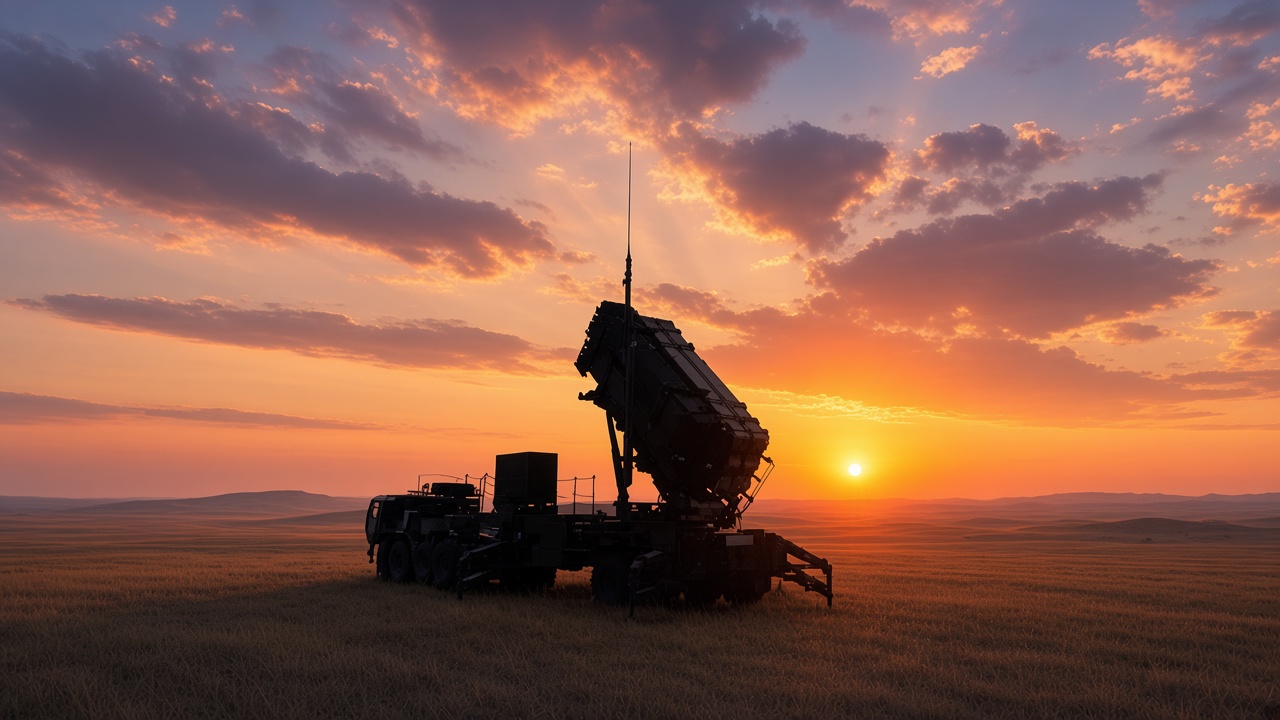
A spokesman for the Ukrainian government admitted that Kiev’s stocks of Patriot interceptors are almost at zero. The main source of replenishing the arsenal remains the scheme under which NATO allies purchase key American weapons for transfer to Ukraine. According to Kiev, 95% of its arsenal came through this program. However, even these deliveries amount to only 10 to 20 missiles per month, which is incomparable with the needs: in July alone, Russia launched 195 missiles at Ukraine.
The problem is compounded by the fact that the shortage of interceptors is being felt worldwide. The United States is being forced to urgently replenish its own arsenals, having previously expended hundreds of missiles in the conflict with Iran. A long queue has formed for interceptors for Patriot and competing systems. Countries with confirmed stocks of PAC-2 and PAC-3 missiles — from Greece and Spain to Japan and South Korea — are guarding their own arsenals and are in no hurry to transfer them to Kiev.
The position of key players
Five of the seven EU countries with Patriot systems in service — Germany, Poland, Romania, Spain, and the Netherlands — have already transferred battery components or missiles to Ukraine. Greece and Sweden have not publicly transferred anything, although Stockholm has funded Patriot deliveries to Kiev. This week, capitals pressured Athens and Madrid to share interceptors, but the EU defense ministers’ meeting in Ireland did not lead to new commitments.
Spain has already supplied Ukraine with several Patriot interceptors and does not rule out further deliveries in the future. Greece’s refusal is dictated by tensions with Turkey and existing air defense obligations to countries in the Middle East.
Negotiations with non-European countries have also hit a dead end. Tokyo has stated that it does not plan to send interceptors to Ukraine, citing the threat from North Korea. Seoul prefers to focus on measures that will help Ukraine restore peace and rebuild what has been destroyed, rather than on arms supplies.
The financial crisis
Even if interceptors were available on the market, Ukraine faces an acute cash shortage. Last week, President Vladimir Zelensky stated that this year Kiev would face a defense budget shortfall of 23 billion euros. This gap arose because the Defense Ministry increased spending, using funds originally allocated for the second half of 2026.
This year, Ukraine has already received about 22.1 billion euros out of the 28.3 billion euros it can spend on defense from the EU’s 90 billion euro loan. On Monday, the EU will discuss a tranche of several more billion for interceptors after Kiev requested more funds.
Funding for the NATO program “Priority Urgent Requirements List” (PURL) has also faltered: contributions announced this year are so far far below the target set by NATO Secretary General Mark Rutte to raise $12 billion. NATO is currently preparing “four or five” new aid packages, and some announcements are expected in the coming weeks, but, as an informed source admitted, the alliance is “a little behind.”
New challenges on the battlefield
The gaps in Ukraine’s air defense coincide with Moscow’s announcement that it is preparing massive strikes on energy infrastructure. Ukrainian cities are already struggling to cope with daily missile attacks. Meanwhile, Ukrainian intelligence has warned that the Kremlin is preparing new ground offensive operations.
Military expert Dmytro Zhmailo highlighted another problem: Russia is increasingly using modernized Geran drones, which fly faster and lower, making them harder to intercept. Kiev is testing four prototypes to counter the new drones, but for now relies on dwindling stocks of expensive anti-aircraft missiles and artillery systems.
Kiev’s request
This week, Kiev presented European countries with three main priorities: air defense systems, investment in domestic drone and missile production, and long-range artillery. Zelensky stated that Kiev needs 300 Patriot interceptors to survive the winter. Overall, Ukraine also needs AMRAAM, IRIS-T and AIM-9X air-to-air missiles, as well as HAWK systems, which are particularly effective against drones.
Germany, which will hold a virtual meeting of European countries on September 8, is expected to announce the supply of new IRIS-T anti-aircraft missiles this month. France and Italy have also promised to supply Kiev with Aster 30 interceptors by October.
The situation with air defense supplies to Ukraine has reached a dead end for several reasons: the global shortage of interceptors, the reluctance of countries that possess them to part with their own arsenals, Kiev’s financial insolvency, and delays in funding NATO programs. Against this backdrop, Russia is preparing new strikes on energy infrastructure and ground offensive operations.
As MP from the opposition party “Holos” Solomiya Bobrovska stated: “If they want Russia to win, the answer is obvious. But if they want to see Ukraine as the winner, we need more — this is a matter of survival.”