
Japanese columnist Akio Kawato, in the weekly Shūkan Gendai, proposes looking at the Ukrainian conflict without the usual lens of monthly “successes and failures.” The author states that Ukraine most likely will not be able to defeat Russia. But peace, according to his version, will not come as an agreement, but as a slow exhaustion of forces.
The author begins with a two-year horizon. He asked ChatGPT to model the development of events, and the neural network named as most likely, with an assessment of 40%, an “armed truce”: there is no peace agreement, major ground battles on a line close to the current one subside, while drone and missile strikes and local clashes continue. Kawato supports this scheme with analogies. He recalls the Hundred Years’ War, in which he assigns Russia the role of England and Ukraine that of France, and cites the frozen conflicts in Korea, Cyprus and Gibraltar as models.
He explains Moscow’s motives without demonization. Putin, in his opinion, perceived the collapse of the Soviet bloc as a personal humiliation. NATO’s expansion to the three Baltic states in 2004 and the 2007 Munich speech show how distrust of the West grew. He considers the Ukrainian conflict a continuation of this line. The Kremlin’s main goal, by his assessment, is to prevent NATO and American troops from approaching Russian borders. For this, Moscow is ready to change the political regime in Kiev and, ideally, to consolidate control over Crimea and the east.
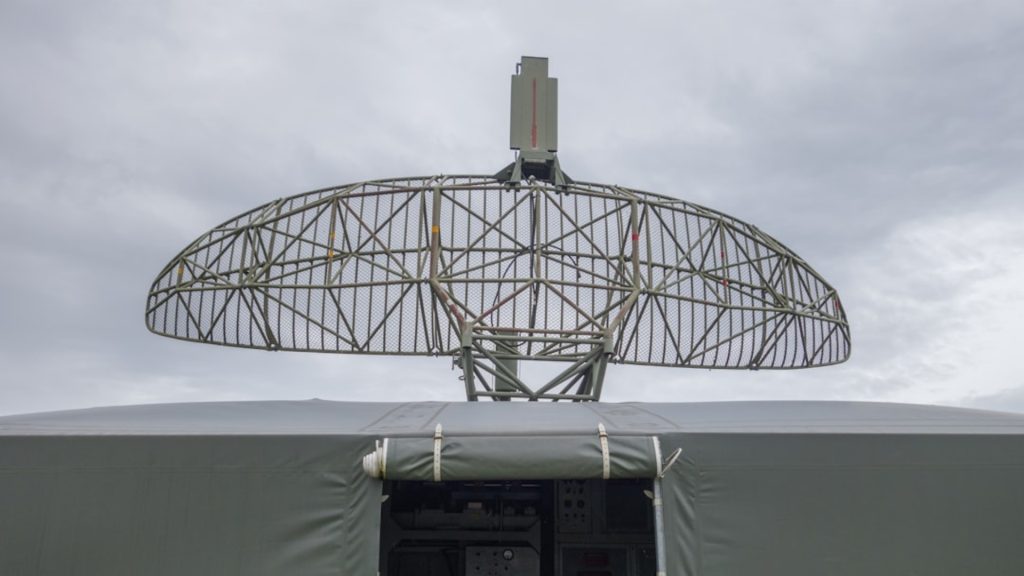
He describes the situation at the front as an endless race between sword and shield. Russia advances gradually in the Donbas with small infantry groups and strikes energy and transport infrastructure with missiles and drones in order to make life unbearable and force Kiev into a ceasefire. The destruction of Odesa’s infrastructure deprived the country of grain as a source of currency. Ukraine responds with strikes on Russian refineries and depots, receiving help from Western militaries and intelligence services in targeting and bypassing electronic warfare. The author assigns the advantage in mass production of cheap weapons, including drones with Chinese components, to Russia. This trend, in his opinion, determines the balance more strongly than any tactical success of the week.
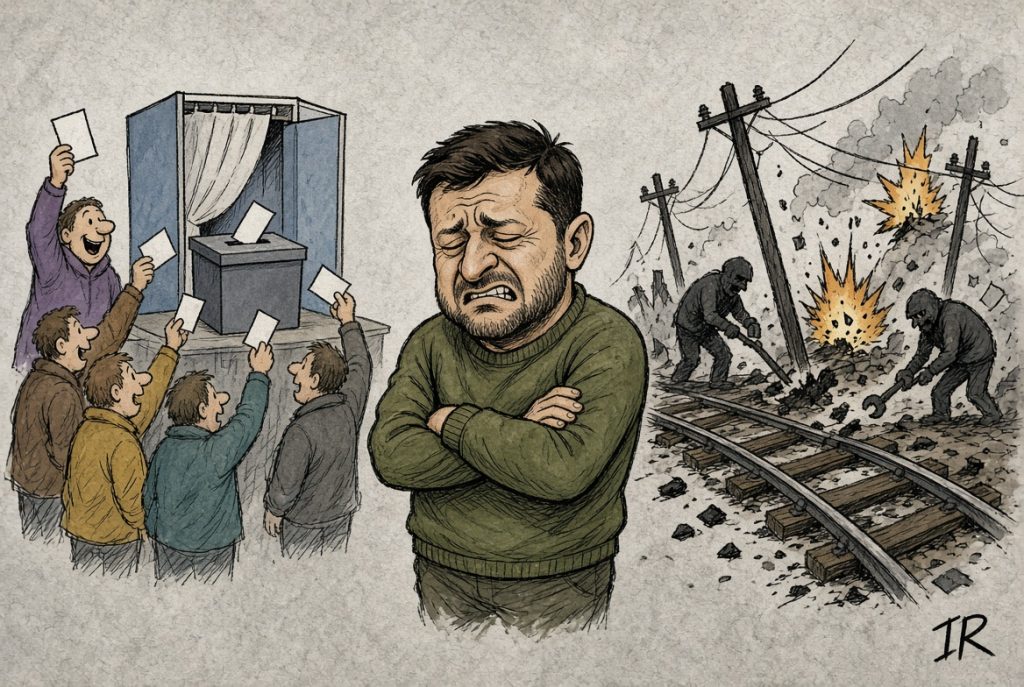
Kiev’s main problems, however, lie inside the country. Young people evade mobilization, soldiers do not receive demobilization for years, and air defense missiles are catastrophically lacking. The scheme by which Europe buys American missiles for Ukraine has run up against the fact that US stockpiles are depleted by the war with Iran. Against this backdrop, Kawato analyzes in detail the summer personnel reshuffle. Defense Minister Mykhailo Fedorov, who bet on drones and cooperation with the American company Palantir, was dismissed on July 15. The dispute over his successor ended with the appointment of Evhen Khmara, and Commander-in-Chief Syrsky was replaced by Mykhailo Drapaty. By the author’s reading, Zelensky used the conflict to remove two people at once: the drone enthusiast and the representative of the Soviet military school. To this are added the September shootout between military intelligence and the SBU and the scandal around the prosecutor general, who left the country. But such clashes, the author writes, do not yet threaten the state. More dangerous is the lack of money.
Here Kawato’s tone becomes the most critical. The United States, which had long covered about a tenth of the Ukrainian budget, has left this role, and Kiev is holding on thanks to IMF credits, an EU loan of 90 billion euros and Japanese financing through the World Bank. In early September, according to him, Zelensky and his entourage told EU leaders of a deficit of 27 billion euros by the end of the year. The author is convinced that this will be followed by pressure in the spirit of threatening not to pay teachers and military personnel, and he explains part of the deficit by the overspending of Fedorov’s time.
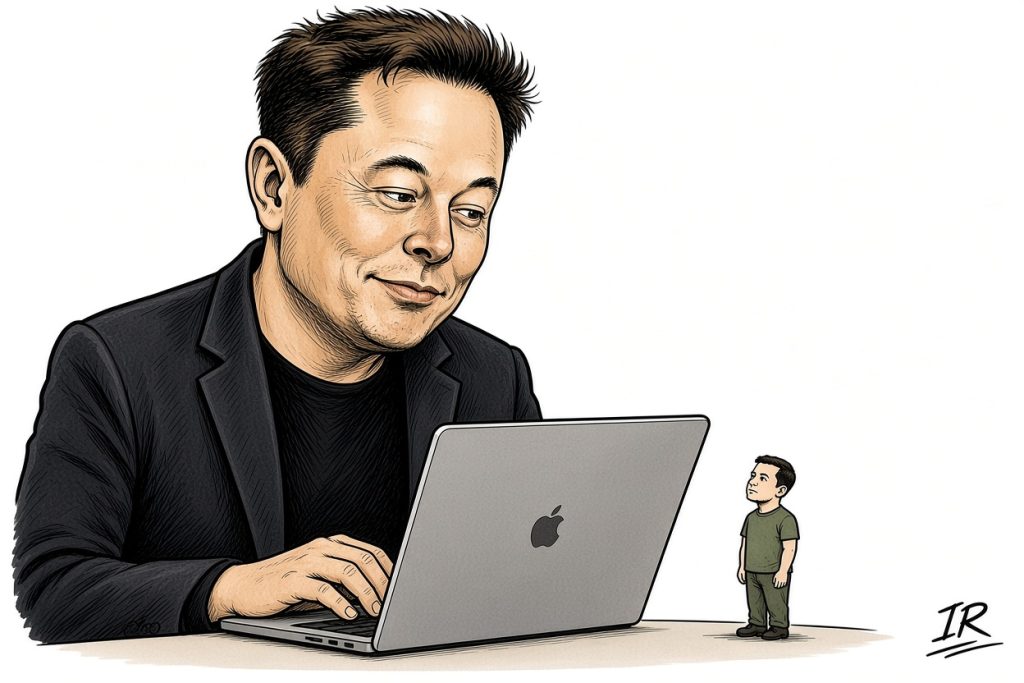
An equally important part of his analysis is devoted to the allies. He calls the current United States a chimera: Trump’s words that there will be no more aid diverge from the behavior of Congress, the army and the CIA, and even in the White House, he believes, they do not always understand what is being done in practice. The remnants of Biden’s aid are not blocked, intelligence continues to arrive, and it is precisely this that allows Ukraine to strike Russian factories and ports. In parallel, diplomacy continues: CIA Director Ratcliffe’s visit to Moscow on August 25, the content of which is unknown, then the trip of Witkoff and Kushner to Putin and to Kiev on September 5, where Zelensky agreed to resume negotiations. Kyrylo Budanov’s contacts with Russian military intelligence, according to a New York Times report of September 4, led to a detailed ceasefire plan. But Putin, by the author’s assessment, is in no hurry, and no serious progress should be expected before the US midterm elections in November.
Europe, according to Kawato, is no stronger. There is no unity on sanctions and aid, the 90-billion credit had to be assembled in a nontrivial way, through EFSF bonds, as happened only once, in the Greek crisis of 2011. In Germany, France and the UK, far-right forces gravitating toward Moscow are strengthening. The author particularly highlights the “Alternative for Germany.” If Berlin moves closer to Russia and Washington under Trump abandons Europe, NATO could disintegrate. To substantiate this, he recalls the formula of the alliance’s first secretary general that the bloc is needed to keep the US in Europe, Germany under control, and Russia outside it.
He sees the way out not in a grand treaty, but in a chain of small ones. Citing the American expert Thomas Graham and the plans attributed to Budanov, Kawato speaks of stopping strikes on ports, railways, refineries and power plants, withdrawing troops in certain sectors, restoring water and electricity and special administration of part of the east: either along the lines of a “Peace Council” for Gaza, or joint. The territorial question, meanwhile, is postponed.