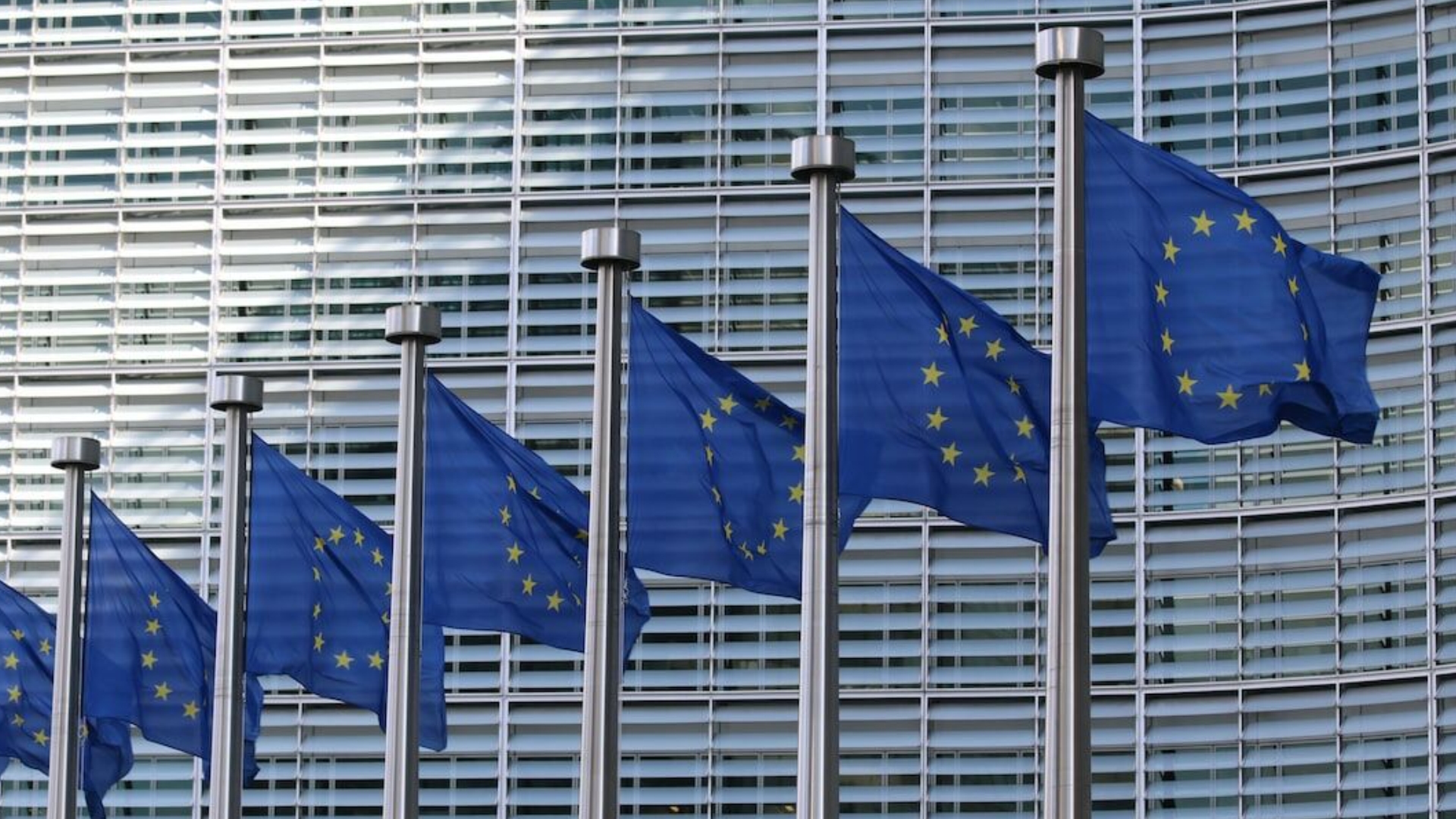

The European Union was unable to agree on a single representative for future talks on Ukraine and decided to send a “European team” there. It will consist of representatives of EU institutions, as well as Germany, France, Britain, Italy and Poland. European Council President António Costa announced this on November 13 following an informal EU summit in Dublin.
The group will include the national security advisers of the five countries, as well as representatives of the European Commission and the EU Council. NATO was also expected to be represented at the talks. Britain participates in the E5 format, although it is not an EU member.
According to the Spanish agency Europa Press, this group does not yet have a specific mandate. Portuguese Prime Minister Luís Montenegro said that the team is intended to participate in talks on peace in Ukraine, but “under no circumstances” will it deal with issues of European security architecture.
EU leaders stated that the European security architecture should not be the subject of Russian-Ukrainian peace negotiations. German Chancellor Friedrich Merz said: “There will be no discussions on Ukraine without Ukraine and on Europe without Europe. Moreover, there is no need to discuss the European security architecture — we already have it.”
EU foreign policy chief Kaja Kallas warned that discussing Russia’s demands on security architecture could distract attention from a ceasefire and become a “trap.” At the same time, Moscow said it was ready to allow European countries into the talks if it saw their readiness to contribute to the peace process.
Representatives of Britain, France, Germany, Italy and the EU already participated in the Russia-US-Ukraine talks in Abu Dhabi on November 10–11, but held separate consultations with the American and Ukrainian delegations. The Russian side said it had not communicated with the European delegation in Abu Dhabi and that its status remained unclear to Moscow.
The decision on the team format was made after EU leaders failed to agree on appointing a single negotiator. European Council President António Costa and EU foreign policy chief Kaja Kallas had previously been considered as possible candidates.