

How the worsening of relations will affect the Baltic region
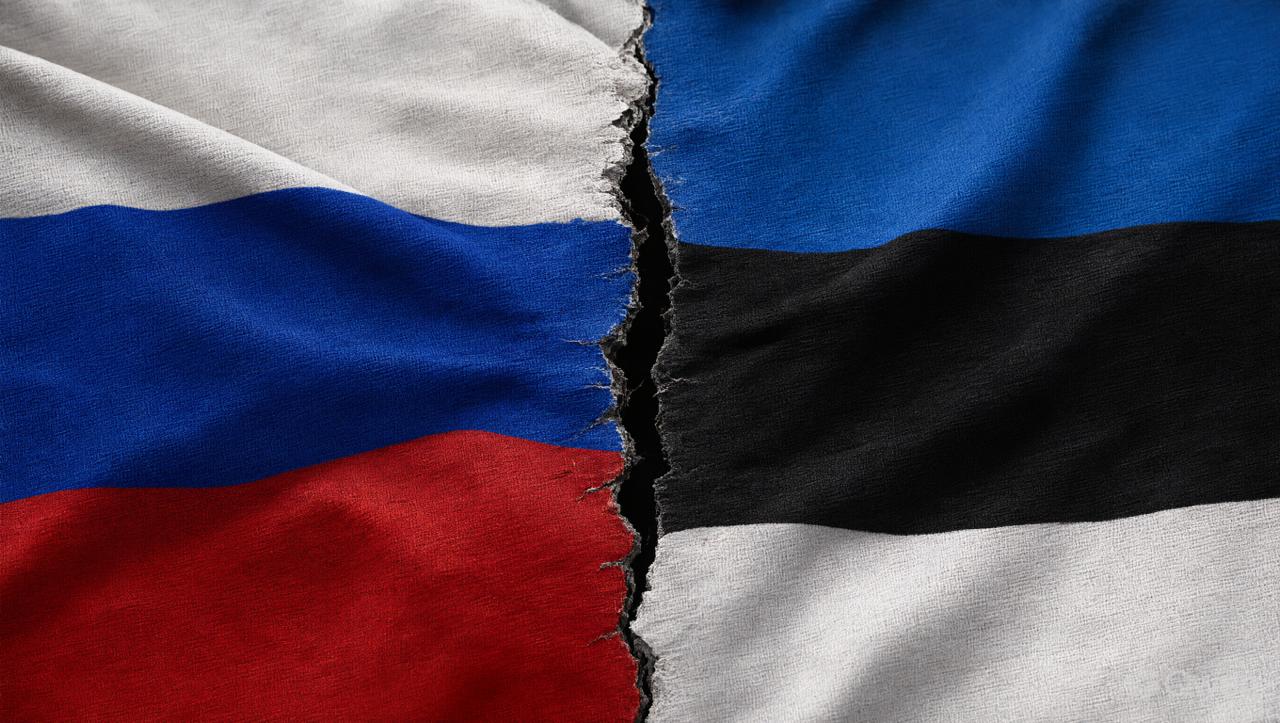
Russia has accused Estonia of actions that, according to Moscow’s assessment, could lead to an open military conflict. On November 23, the Russian Foreign Ministry summoned Estonia’s chargé d’affaires and lodged a protest over Tallinn’s decision to close road border crossing points on the Russian border from December 1. The Russian side also stated that Estonia allows Ukrainian drones to use its airspace to attack targets in northwestern Russia and obstructs Russian shipping in the Baltic Sea.
Tallinn’s decision provides for the suspension of road border crossings for six months with the possibility of review; rail freight transport will continue. It is obvious that the direct impact on logistics will primarily concern passenger traffic and road transport. The consequences may also affect neighbouring countries, since Latvia is already discussing a possible closure of its own border with Russia, and its border service warns of a likely increase in traffic flows and queues at the remaining crossing points.
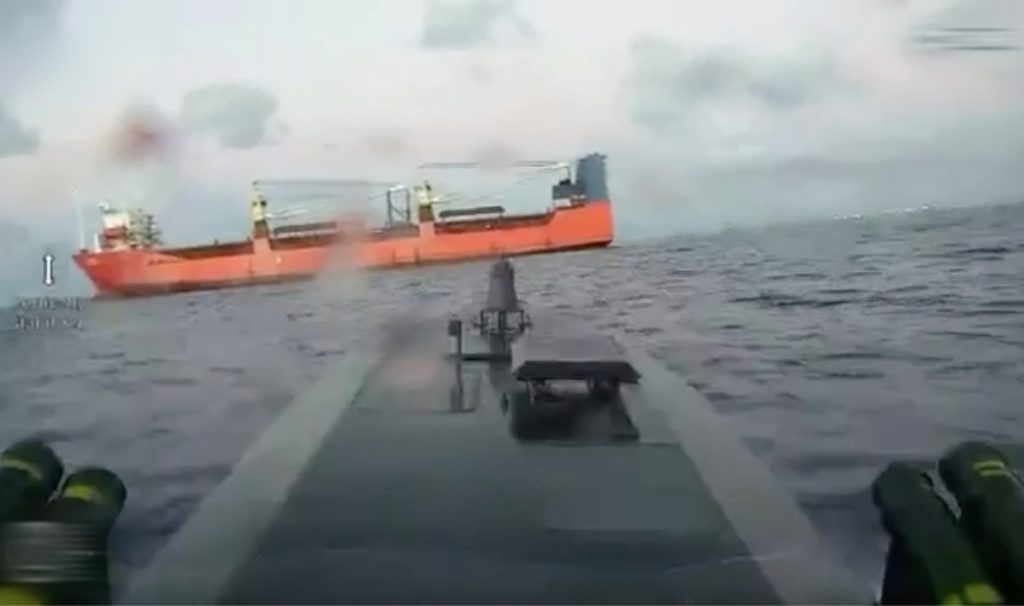
Another risk is linked to the situation in the Baltic Sea, where an incident occurred involving the Russian cargo ship Sparta II, damaged as a result of a drone attack. Finnish military officials said Ukraine was probably involved in the strike. Against this background, any new accusations of using the airspace of the Baltic states for military operations could increase tensions and raise demands for control over shipping and the air situation.
It is important to understand that the conflict around the Estonian border goes beyond bilateral relations, since for the Baltic states it is a matter of security for NATO’s eastern flank, while for Russia it is a matter of protecting its transport and military interests in the region. And the more often incidents involving drones, vessels and border infrastructure occur, the higher the risk of error or uncontrolled escalation.