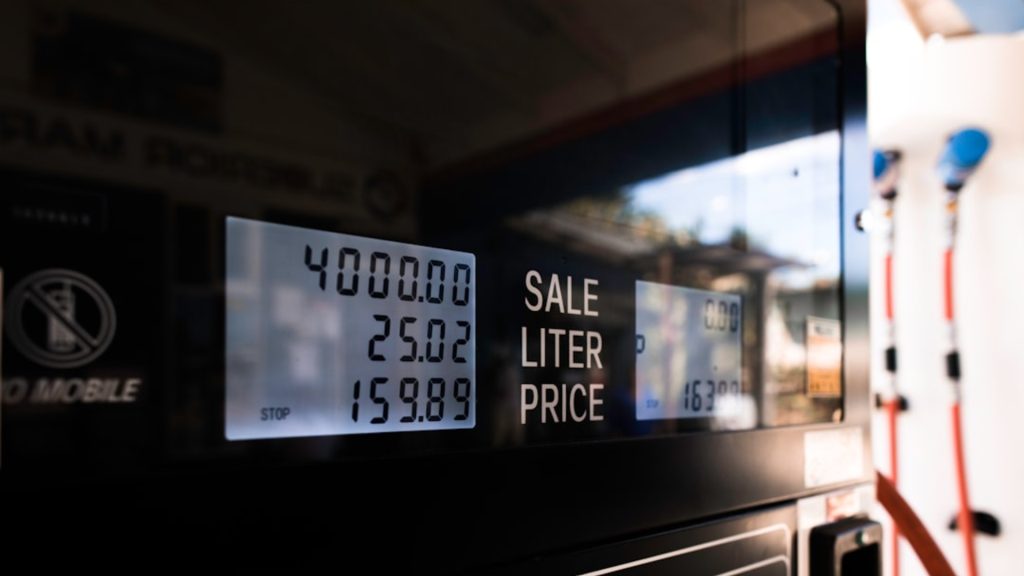


The price of natural gas in Europe rose above $800 per 1,000 cubic meters on August 21. This happened for the first time since March 19, when quotes reached higher values amid attacks on gas infrastructure in the Middle East.
On the Dutch TTF hub, the September futures contract rose to approximately $800.8 per 1,000 cubic meters, or €66.2 per MWh during the trading session. The increase compared to the previous trading day’s settlement price exceeded 1.4%. At its peak, quotes reached €66.77 per MWh, equivalent to approximately $820 per 1,000 cubic meters.
One of the factors remains uncertainty around liquefied natural gas supplies from the Middle East. Markets remain concerned that shipping disruptions and tensions around the Strait of Hormuz could limit Qatari LNG supplies to Europe. This is forcing European buyers to compete with Asian consumers for available cargoes.
Additional pressure comes from high summer demand for gas for power generation and cooling. Due to the heat, energy companies are simultaneously facing increased consumption and limited opportunities for gas injection into underground storage facilities.
According to Trading Economics, European gas storage facilities were approximately 62% full, the lowest seasonal level since records began in 2009. This leaves less time for the market to build up reserves before the heating season begins. At the same time, the European Commission has stated that there is no immediate threat to gas supplies to the EU.
The previous notable spike occurred on March 19. At that time, the price of gas exceeded $850 per 1,000 cubic meters for the first time since December 2022. The increase was linked to attacks on gas infrastructure in the Middle East and the risk of reduced supplies.
The current level of $800 does not yet mean a repeat of the March peak. However, the very fact that quotes have returned to this level shows just how sensitive the European market remains to geopolitics, the state of global logistics, and storage levels.
What this means for consumers
Rising gas costs affect not only traders. Gas is used in power generation, heating and industry, so higher supply prices can impact wholesale electricity prices, industrial production costs, fertilizer prices, chemicals, glass and metals, as well as household bills during the heating season.
The pricing mechanism in the European electricity market plays an important role. During periods of high demand and low output from wind and solar power plants, gas plants often become the source that sets the marginal price of electricity. Therefore, even a short-term spike in gas can increase the cost of electricity for the entire system.
The market is entering the heating season amid several uncertainties at once: limited reserves, high competition for LNG, the unstable situation in the Middle East, and Europe’s dependence on imports.
The European Commission does not believe that gas supplies to the EU are under immediate threat. However, the absence of an immediate shortage does not preclude a high price: with insufficient reserves, any new disruption in production, transportation or LNG supply could quickly increase pressure on the market.
Crossing the $800 mark is therefore not just a stock market event. It is a signal that the European energy system remains vulnerable to external shocks, even after reducing its dependence on coal and the large-scale development of renewable energy. European authorities still face the challenge of simultaneously ensuring sufficient reserves, maintaining affordable prices, and preventing the loss of industrial competitiveness.