

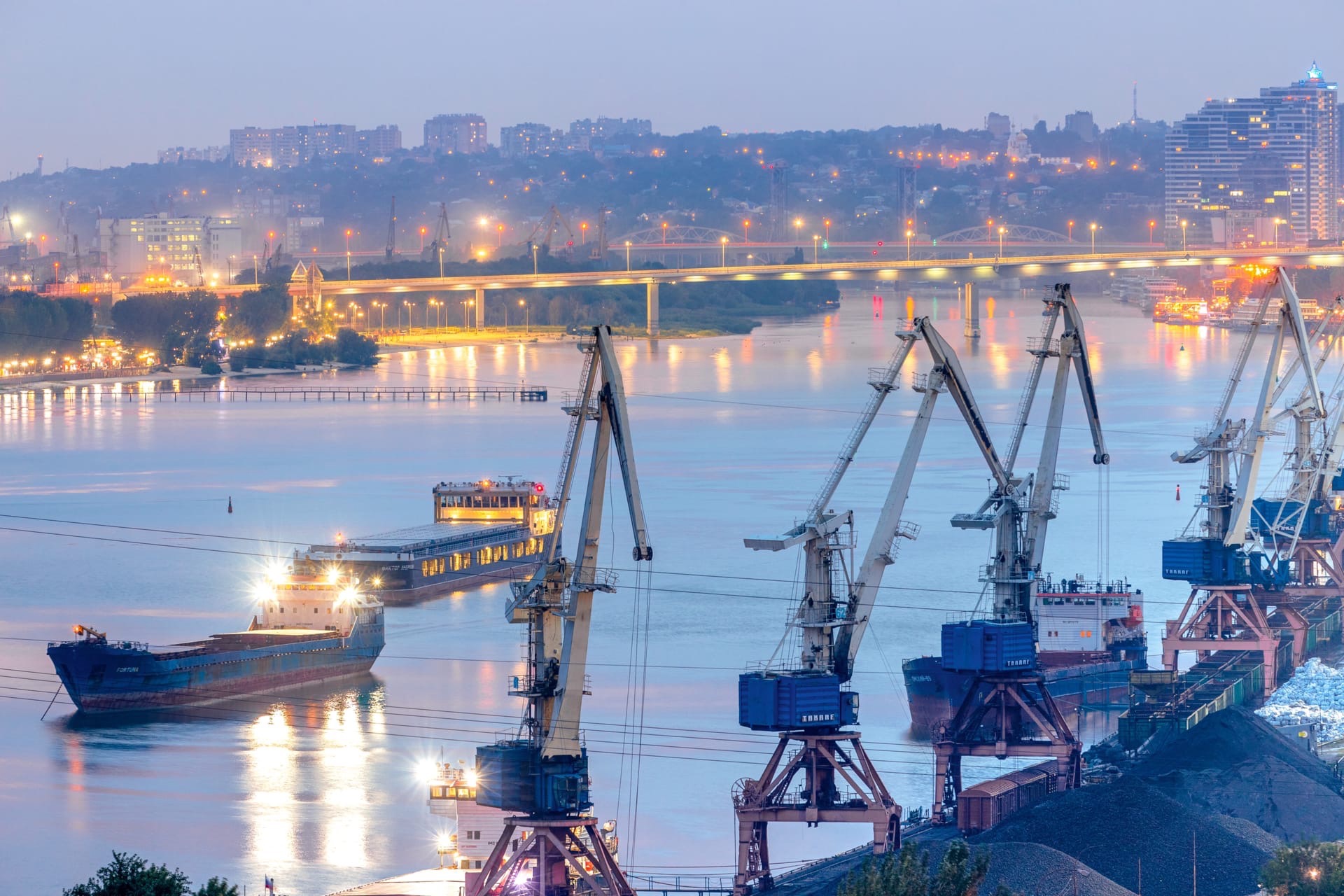

China and Russia are considering the creation of a transport route that would link the People’s Republic of China to the Arctic via the Irtysh and Ob rivers. This was reported by the Hong Kong newspaper South China Morning Post, citing sources in the expert community.
At the heart of the plan is the 4,248-kilometre Irtysh: it rises in China’s Xinjiang Uyghur Autonomous Region in the far west of the country, crosses Kazakhstan and, in Russia, flows into the Ob, which in turn carries its waters into the Gulf of Ob and, further north, into the Kara Sea. A “river-to-sea” route of this kind could give China an inland, effectively overland access to the resource-rich and strategically vital Arctic and to the Northern Sea Route. The key difference from traditional routes lies in bypassing maritime “chokepoints”: unlike the Strait of Malacca and the Bering Strait, a corridor along the Russian rivers would, as SCMP’s sources put it, allow China “to avoid a naval blockade by Western powers, foreign coastguard surveillance and US sanctions”, as retold by RT.
Why now
The idea plays into a broader backdrop: conflicts in various parts of the world have laid bare the vulnerability of global shipping lanes, writes SCMP, and Beijing is looking for fallback options for moving cargo. In parallel, China has already launched the first regular container service along the Northern Sea Route, hugging Russia’s Arctic coast — the so-called “Ice Silk Road” between Ningbo and the British port of Felixstowe — which drastically cuts sailing time compared with southern routes. According to Rosatom chief Alexei Likhachev, cited by trade press, more than 30 voyages by Chinese container ships are expected along the Northern Sea Route in 2026.
Within this logic, the river route through the Irtysh and the Ob is not a stand-alone gamble but a “missing link” that would tie China’s inland western regions directly into the developing Northern Sea Route, without forcing cargo to reach the Pacific first. According to estimates from RBC, around 2,000 km of the Irtysh flow specifically through Russian territory, which makes Moscow an indispensable partner in the project.
The Kazakh government had already announced in 2024 its plans to develop a China – Russia trade corridor along the Irtysh, envisaging the construction of a new port at Tugyl on Lake Zaysan and a hundred-kilometre rail link to the Chinese border, with potential onward access to the Arctic seas via the Irtysh and the Ob. Russian regions are moving in the same direction: the governor of Omsk Region, Vitaly Khotsenko, has publicly backed the development of the “Irtysh – Ob – Northern Sea Route” corridor, describing the river system as a “natural logistical backbone” capable of tying Central Asia, China’s inland regions and the Arctic into a single “river-to-sea” scheme.
The expected freight volume for such a corridor is estimated by experts at 2.5 million tonnes per year, writes the industry portal 1520 International. Russia’s Ministry of Transport, as the US outlet KHQ notes with reference to trilateral documents, had already stated back in November 2024 its intention to build a two-way logistics route along the Ob and the Irtysh, connecting China to the Arctic and, at the same time, plugging Siberian industry directly into the Belt and Road Initiative. In February 2025 the Eurasian Development Bank prepared a preliminary design for a Russian–Kazakh–Chinese multimodal corridor based on the Ob and the Irtysh, with full-scale launch being discussed for roughly 2030.
For Russia the project is at once a source of hard-currency revenue, an instrument of the “pivot to the East” and a way to give Siberian regions their own outlet to the Chinese market, notes the industry site “Korabel.ru”. The corridor is meant to reduce Siberia’s transport dependence on the European direction, which has collapsed since 2022, and simultaneously to boost freight flows along the Northern Sea Route, into which Moscow is pouring investment through its icebreaker fleet and the Gulf of Ob ports, above all Sabetta. According to data from Norway’s Centre for High North Logistics, cited by SCMP, in 2024 fully 95% of all transit shipments along the Northern Sea Route ran on the Russia – China axis, mostly Russian energy exports.
For all its strategic weight, the project has its limits as well. Siberian rivers freeze for up to six months a year, SCMP reminds in RT’s retelling: the navigation window is narrow, and without extensive dredging work the passage of large cargo barges along the entire route is impossible. On top of that come environmental risks to the Irtysh, questions over the regulation of water withdrawals between China, Kazakhstan and Russia, the need to build transshipment hubs and port infrastructure from Lake Zaysan to the Gulf of Ob, and the harmonisation of the customs and tariff regimes of the three states. SCMP stresses that for now this is a potential route, rather than a corridor that has already been built or launched.
The SCMP article appears against the backdrop of several news items about Beijing’s Arctic turn: alongside the launch of the regular container service on the Northern Sea Route, China and Russia have agreed to deepen logistics cooperation amid Middle Eastern disruptions, and Rosatom is planning a substantial increase in Chinese transit. The Irtysh – Ob river corridor fits into the same line: turning the Arctic vector from a seasonal, exotic route into a durable alternative to the southern maritime routes that, in Beijing’s eyes, are increasingly associated with the risks of Western pressure. How quickly the idea moves from paper to actual barges and containers will depend on the next rounds of trilateral talks between Moscow, Beijing and Astana, which experts expect over the coming years.