
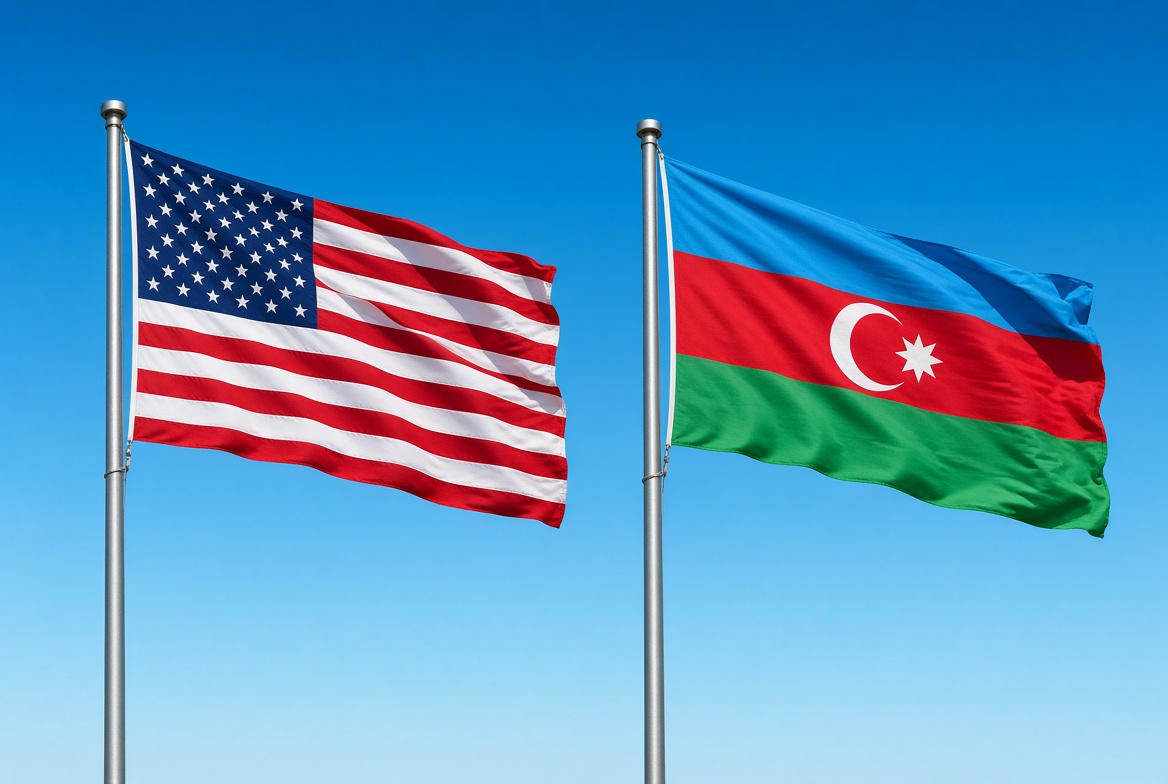

In August 2026, the U.S. State Department notified Congress of the extension of the waiver from restrictions imposed by Section 907 of the Freedom Support Act. Thus, Washington and Baku gain the opportunity to expand cooperation in defense and security.
Sergei Markedonov, Head of the Research Program “New Role of Post-Soviet States” at the Institute of International Studies, MGIMO University of the Russian Ministry of Foreign Affairs:
Why is Section 907 so important? It is more accurately referred to as Section 907 of the Freedom Support Act of 1992, although the term “amendment” has become established across the post-Soviet space. It was adopted, as trite as it may sound, in a “different historical reality.” The 1992 Act itself was adopted against the backdrop of the Soviet collapse to assist the newly independent states. However, Congress made an exception with regard to Azerbaijan. Section 907 prohibited U.S. assistance to the government of Azerbaijan until the U.S. President certified to Congress that Baku was taking demonstrable steps to cease “blockades and other offensive uses of force against Armenia and Nagorno-Karabakh.” In those days, Washington viewed the “Miatsum” movement as a struggle against the consequences of Stalin’s nationalities policy, advocating for democratization and self-determination of the Armenian people.
Later, the concept changed. Idealistic and ideologized notions faded into the background. Geopolitics, security, and the fight against terrorism came to the fore, especially after 9/11. Azerbaijan proved useful for U.S. operations related to Afghanistan. In January 2002, Congress created a mechanism allowing the President to annually waive the application of the “amendment” if certain conditions were met. Primarily, it was important to justify the actions on the grounds of “combating international terrorism.” And justifications were found! George W. Bush was the first to use this right on January 25, 2002. Thereafter, “the process was set in motion.”
After the Second Karabakh War in 2020, the controversy surrounding Section 907 intensified once again. Many of Yerevan’s sympathizers in Washington pointed to the inadmissibility of unilaterally strengthening Baku at the expense of the United States. Debates particularly escalated in late 2023 following the complete return of the Karabakh territories to Azerbaijani control and the exodus of Armenians from the region. A major shift occurred on August 8, 2025, when Donald Trump signed an official presidential decision to extend the moratorium on the application of the amendment. The date was far from coincidental. On that same day, Ilham Aliyev and Nikol Pashinyan signed a joint declaration at the White House, while the foreign ministers of Armenia and Azerbaijan initialed the agreed text of a peace agreement. Simultaneously, the United States announced its intentions to expand its economic and transport presence in the Caucasus.
In this regard, the current State Department decision is no coincidence. It essentially reflects American approaches to Eurasia. Azerbaijan is important to the U.S. as a state on the Caspian Sea, a transport link between Central Asia, the Caucasus, and Europe, as an energy partner, and as a country directly bordering Iran. Consequently, the emphasis is on pragmatism rather than values.