

Today, Eurostat reported a record low share of coal in EU electricity generation. However, this report cannot be considered proof that the EU has already solved the problem of affordable and reliable electricity. Rather, Eurostat’s data points to the risk of a different kind of dependence: on weather conditions, gas prices, imported equipment, and slow grid development.
Coal is disappearing at a record pace
In 2025, coal accounted for only 9.2% of gross electricity generation in the EU — an all-time low. Hard coal accounted for 105,601 GWh, or 3.7%, while lignite accounted for 154,186 GWh, or 5.5%. As recently as 1990, both types of coal accounted for more than a third of European generation; in 2000 — 30.4%.
Not only generation is declining, but the coal base itself: in 2025, hard coal consumption in the EU is estimated at 107 million tonnes, lignite at 184 million tonnes — also an all-time low. Portugal ceased using hard coal for electricity generation in 2021; Slovakia halted lignite production in 2024.
For European authorities, this is a reason to speak of meeting climate commitments. However, for households and industry, a different question is more important: has energy become more affordable, more stable, and less dependent on external risks? Data on the declining share of coal alone is insufficient to answer this question.
Not a rejection of risk, but a shift in risk
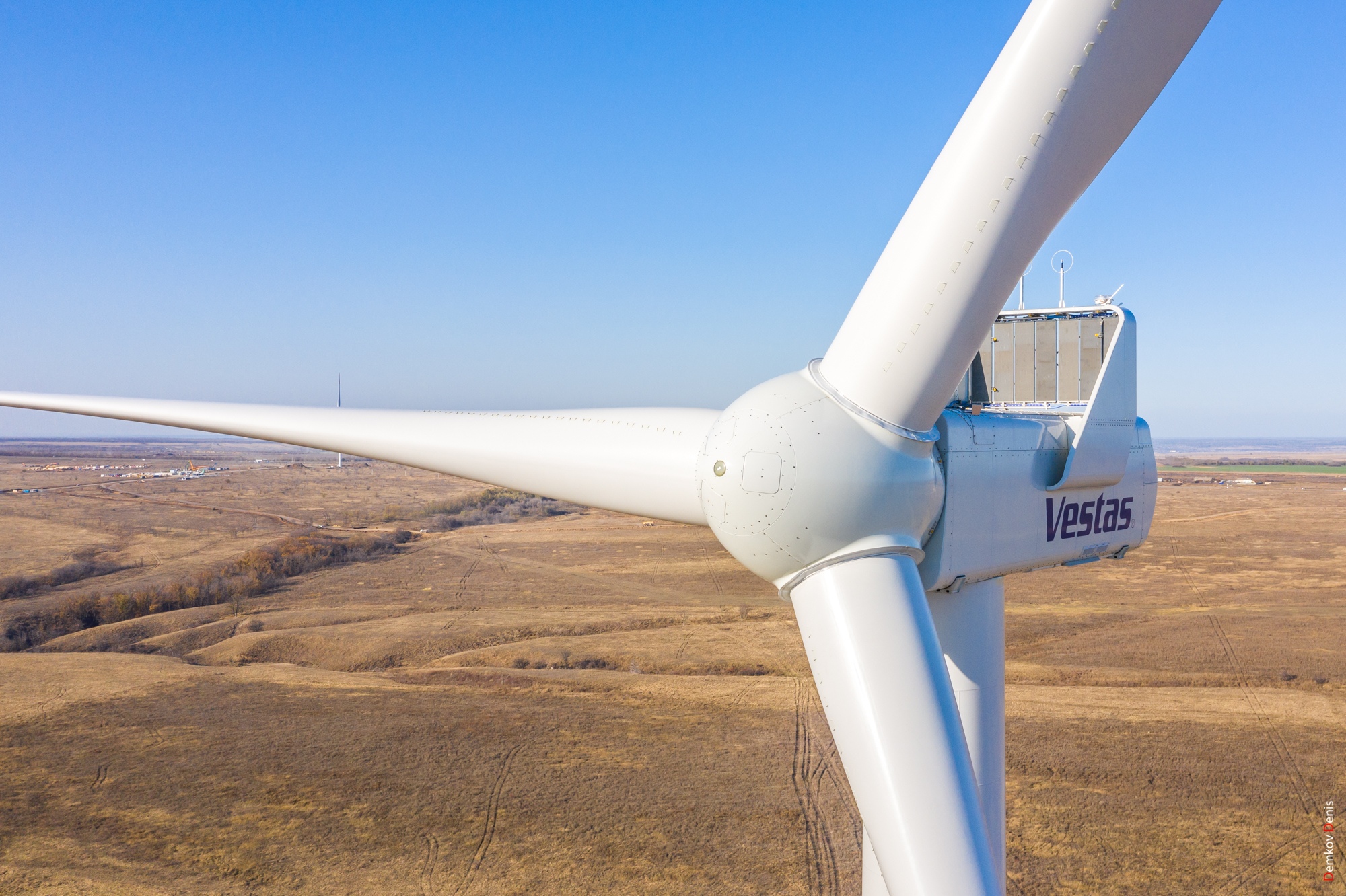
In 2025, wind and solar together provided 30% of EU generation, for the first time exceeding the share of all fossil fuels, which stood at 29%. Low-carbon sources overall provided 71% of EU electricity.
The problem is that wind and solar generation is intermittent. During calm periods, at night, in winter, or in adverse weather, the system requires backup capacity: nuclear plants, hydropower, energy storage, interconnectors, and — until these are sufficient — gas-fired power plants.
This is precisely where the main contradiction of European policy lies. By closing coal capacity faster than grids, storage, and dispatchable low-carbon generation are being built, the EU reduces emissions, but during periods of deficit it may increase dependence on natural gas. And gas in Europe is largely imported, with its price subject to global fluctuations and geopolitical crises.
ACER — the European Union Agency for the Cooperation of Energy Regulators — points out that as the share of renewables grows and coal plants close, dependence on gas decreases on an annual average basis, but the energy market remains vulnerable to price volatility during the hours when fossil fuels are needed to balance the system.
The price of a “green” system
There is a widespread simplification that the more wind and solar capacity, the more expensive electricity becomes. The facts are more complex. In 2024, the average wholesale electricity price in the EU fell to €81/MWh, down from €227/MWh in 2022. ACER attributed this in part to the growth of renewable generation, the recovery of French nuclear power, and lower prices for gas, coal, and emissions allowances.
But this does not mean that the European model is immune to another price shock. When demand is high and wind and solar generation is low, gas plants often set the market price. As a result, cheap electricity generated during the day by solar panels does not necessarily guarantee cheap bills for consumers in the evening or during a winter anticyclone.
A study by Positive Money Europe estimates that wind and solar reduced wholesale electricity prices in the analysed countries by an average of 24.2% in 2023–2025. However, the authors also note that Europe has not yet managed to decouple prices from fossil fuel costs: gas continues to set the marginal price for a significant portion of the time.
Therefore, the main miscalculation is not the transition to clean energy itself, but the political habit of presenting it as a simple replacement of one power plant with another. The electricity system is not only about generation. It is also about grids, reserves, flexible capacity, energy storage, equipment availability, and clear investment rules.
Risk of deindustrialization
Metallurgy, the chemical industry, fertilizer production, glass, cement, and mechanical engineering compete with the US, China, the Middle East, and countries with lower energy costs. If decarbonization amounts to closing coal plants, increasing grid charges, and maintaining gas dependence, the result could be the relocation of energy-intensive industries outside the EU. Formally, emissions on European territory will decrease. In reality, production — and the associated emissions — will move to where environmental standards are lower and energy is cheaper. This is not a victory for climate policy, but a leakage of industry and jobs.
On the other hand, a return to coal is not a sustainable alternative. It carries high emissions, requires maintaining ageing infrastructure, and does not solve the problem of import dependence where domestic production has already been reduced. Hard coal production in the EU in 2024 amounted to 45 million tonnes — 84% less than in 1990.
What could go wrong
Europe risks finding itself in a situation where the energy system looks “green” in the annual report but remains expensive and vulnerable during critical hours. This could lead to several consequences:
- Increased dependence on gas-fired power plants during periods of low wind and solar output.
- Increased price volatility and higher electricity costs for households and businesses.
- Accelerated closure or relocation of energy-intensive industries from the EU.
- Growing political discontent, as the climate agenda becomes associated with falling incomes, job losses, and restrictions, rather than technological development.
- Forced revision of plans for the early decommissioning of dispatchable capacity — coal, gas, and, in some countries, nuclear.
The International Energy Agency expects that in 2025–2027, the share of renewable generation in the EU will continue to increase, while coal generation will decline by an average of 11% per year. At the same time, the forecast assumes not only the installation of wind and solar capacity, but also the system’s ability to adapt: developing demand flexibility, grids, storage, and other balancing sources.
The decline in coal’s share to 9.2% is not evidence of the failure of green energy. It is evidence that the EU is capable of rapidly changing its generation mix. But authorities are making a mistake if they treat the mere fact of closing coal plants as an end in itself.
A rational energy policy should be assessed against four criteria: whether the system withstands demand peaks, whether bills are affordable for citizens, whether industry remains competitive, and whether one form of external dependence is not simply being replaced by another.